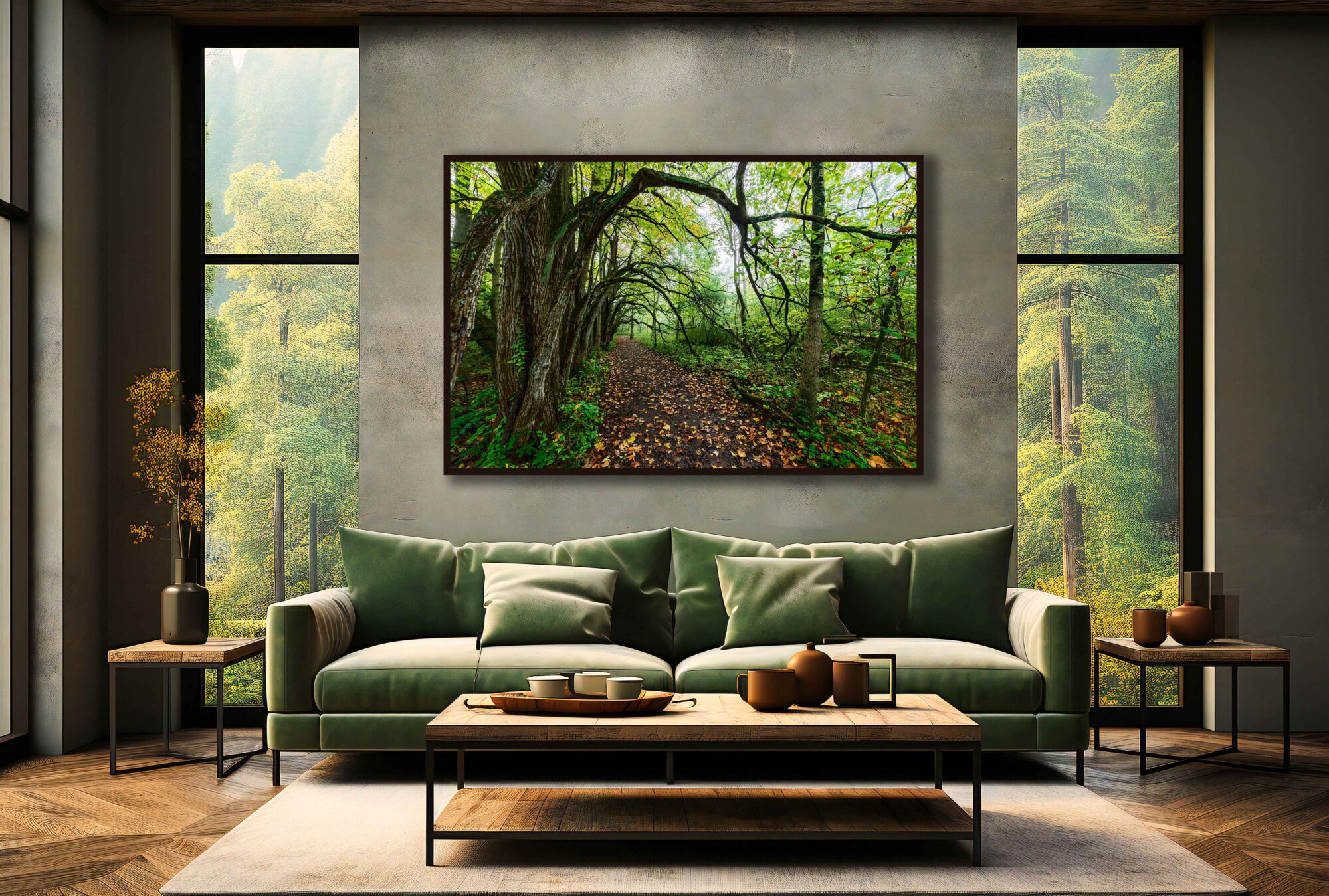
Ever notice when you walk into a hospital how often you are surrounded by scenes of nature… soft landscapes, garden views, gentle water features? It feels intentional, even if we don’t immediately question it. The space feels calmer… more settled… a little more human.
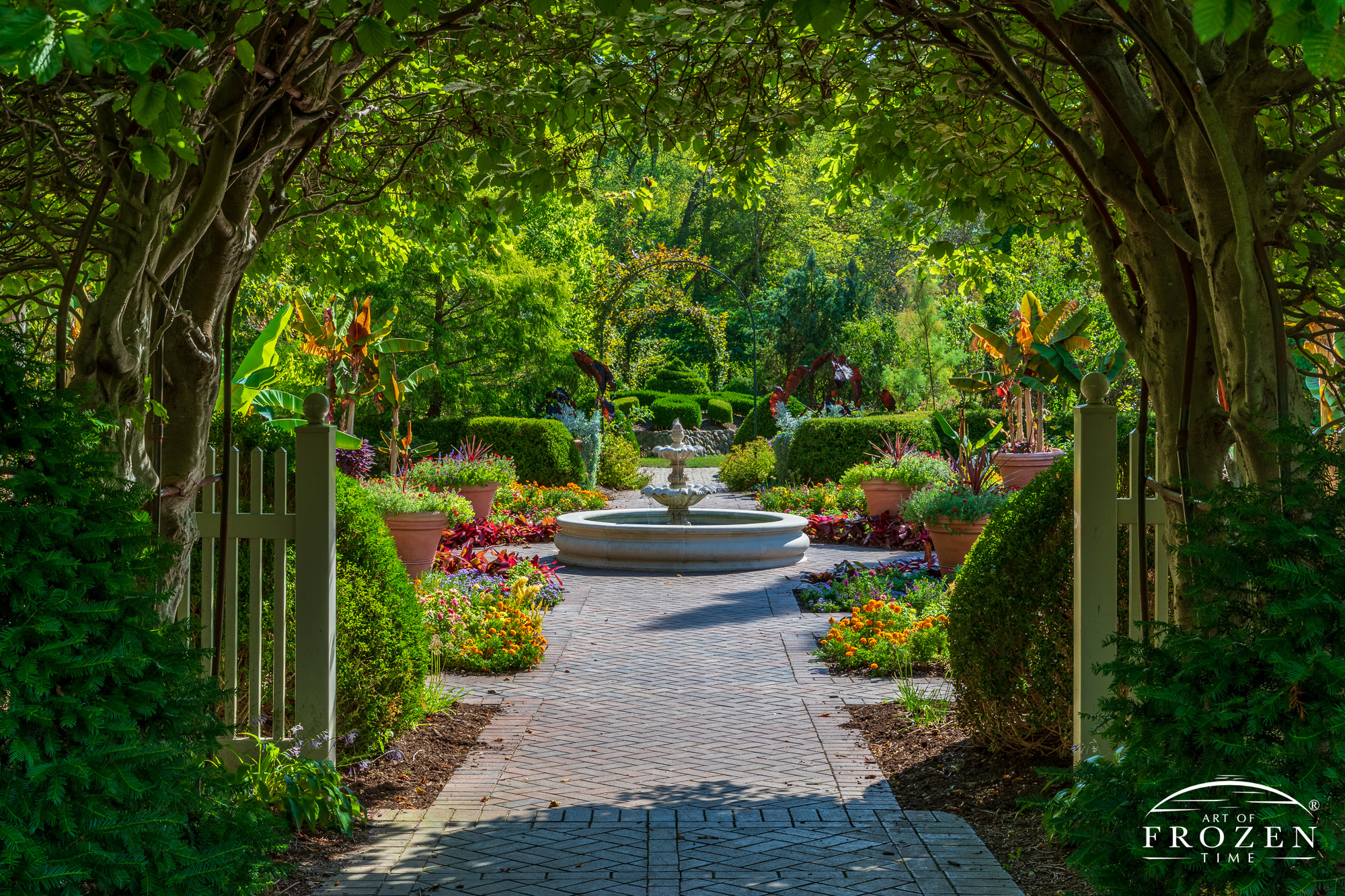
That isn’t an accident.
For decades, hospitals focused on sterile environments… spaces designed first and foremost to prevent infection. While necessary, those early designs often resulted in rooms that felt cold, bare, and disconnected from anything familiar. Over time, the medical community began to ask a simple question… could the environment itself play a role in helping patients heal?
That question led to a body of research that now falls under what is known as evidence-based design.
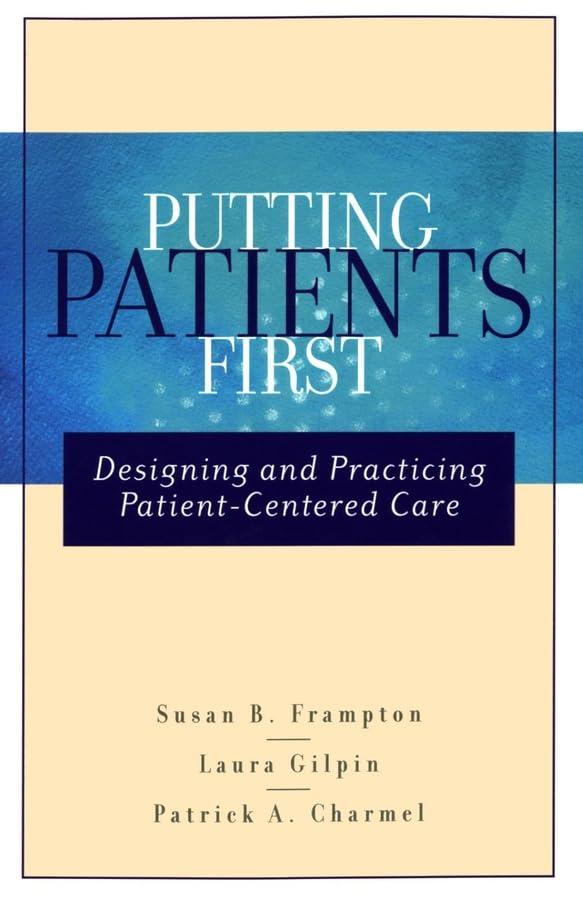
Books like Putting Patients First by Susan B. Frampton, Laura Gilpin, and Patrick Charmel, along with Picture of Health: Handbook for Healthcare Art by Dr. Henry Domke, helped bring structure to something many people had already felt intuitively… that our surroundings influence not only how we feel, but how we recover.
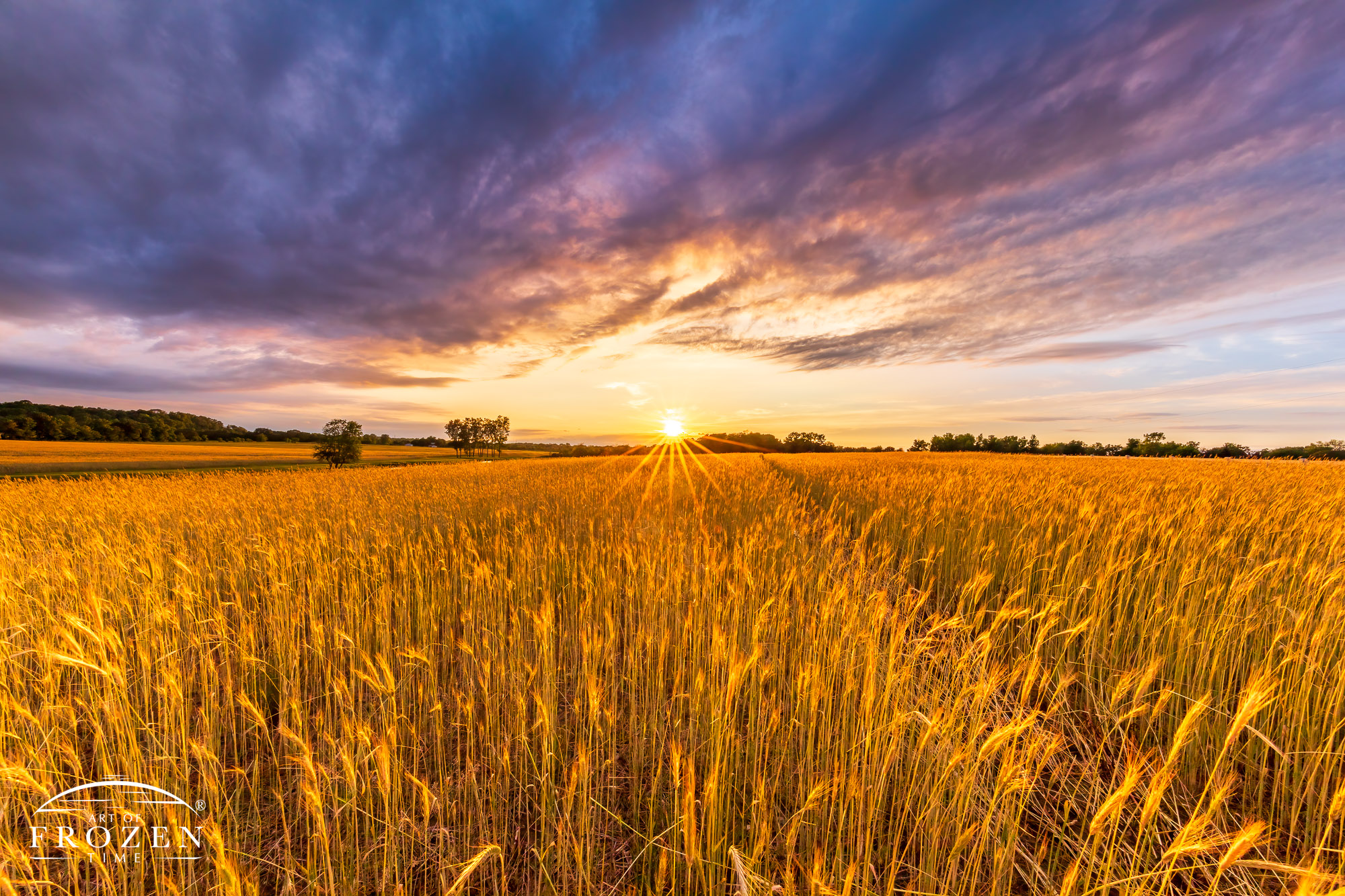
One of the foundational ideas behind this is biophilia… a term popularized by Harvard researcher Edward O. Wilson. In simple terms, it suggests that humans are naturally drawn to life and life-like processes. There is a deep-rooted comfort in open landscapes, in trees, in water, in light. Some researchers even connect this preference to early human survival… where environments offering visibility, safety, and access to resources created a sense of ease.
That instinct hasn’t left us.
What has changed is our ability to study it.
In controlled healthcare studies, researchers compared patient environments… leaving some unchanged while introducing carefully selected artwork into others. Not all art produced the same results. In fact, some types of artwork—particularly those that were highly abstract or ambiguous—showed little benefit, and in certain cases, even increased stress or discomfort.
That makes sense.
In a gallery setting, abstract work can be engaging and thought-provoking. It invites interpretation. But in a hospital room… where a patient may already feel uncertainty, vulnerability, or fear… ambiguity doesn’t always provide comfort. The mind is not looking for a puzzle to solve. It’s looking for somewhere to rest.
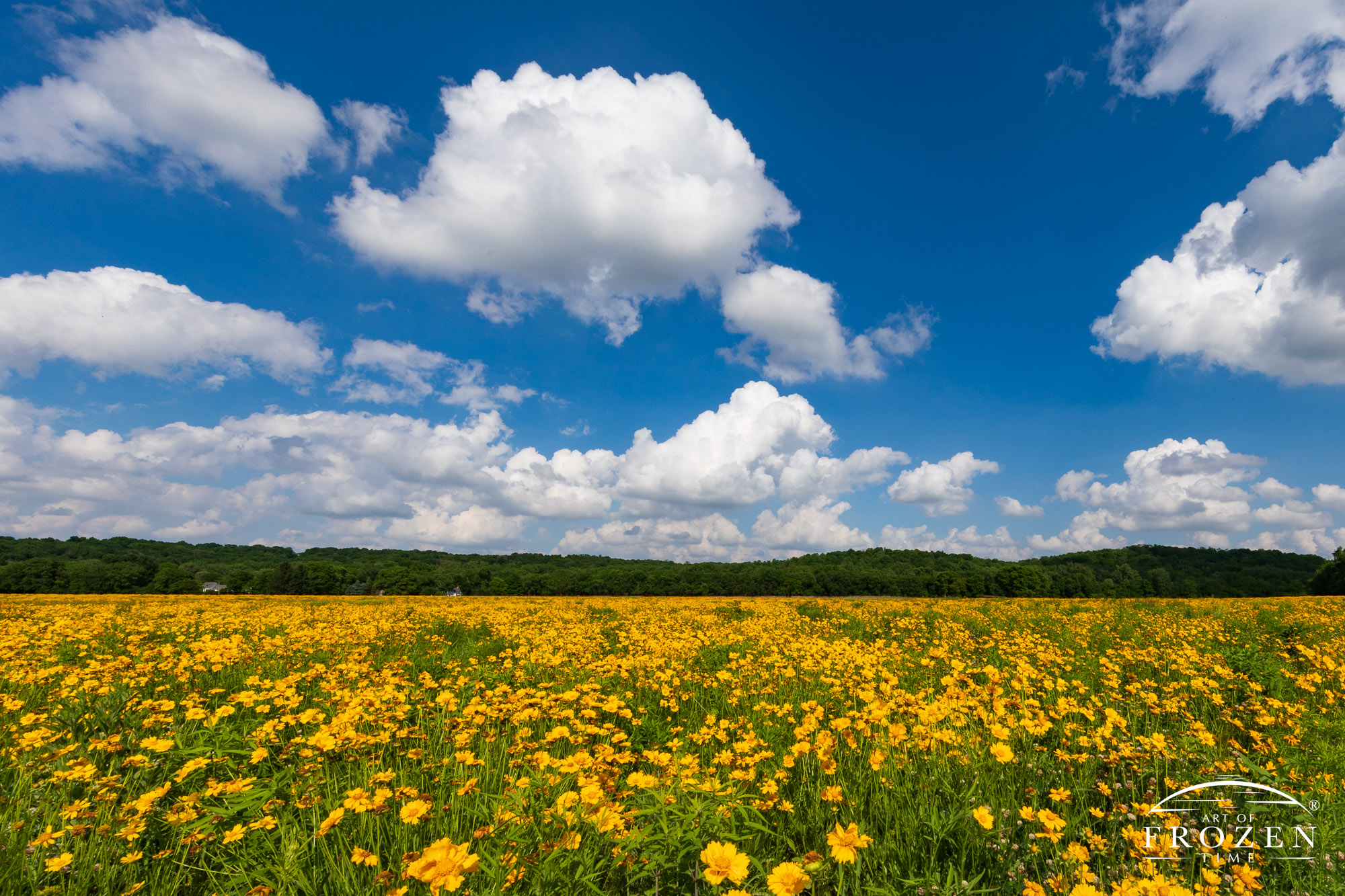
And that is where nature imagery consistently stood apart.
Studies showed that patients exposed to calming nature scenes experienced measurable improvements. Clinical indicators such as blood pressure and heart rate were lower. Patients often required less pain medication. In some cases, they were discharged sooner. Beyond the clinical data, patient satisfaction improved… as did the experience of families and even healthcare staff.

The impact extended beyond the patient.
Healthcare workers operating in these environments reported lower stress levels. Waiting rooms with large, calming imagery saw reduced anxiety. Even simple changes—like placing serene nature scenes where patients could view them during procedures—helped create a more stable and reassuring experience.
These findings reshaped how hospitals design their spaces.
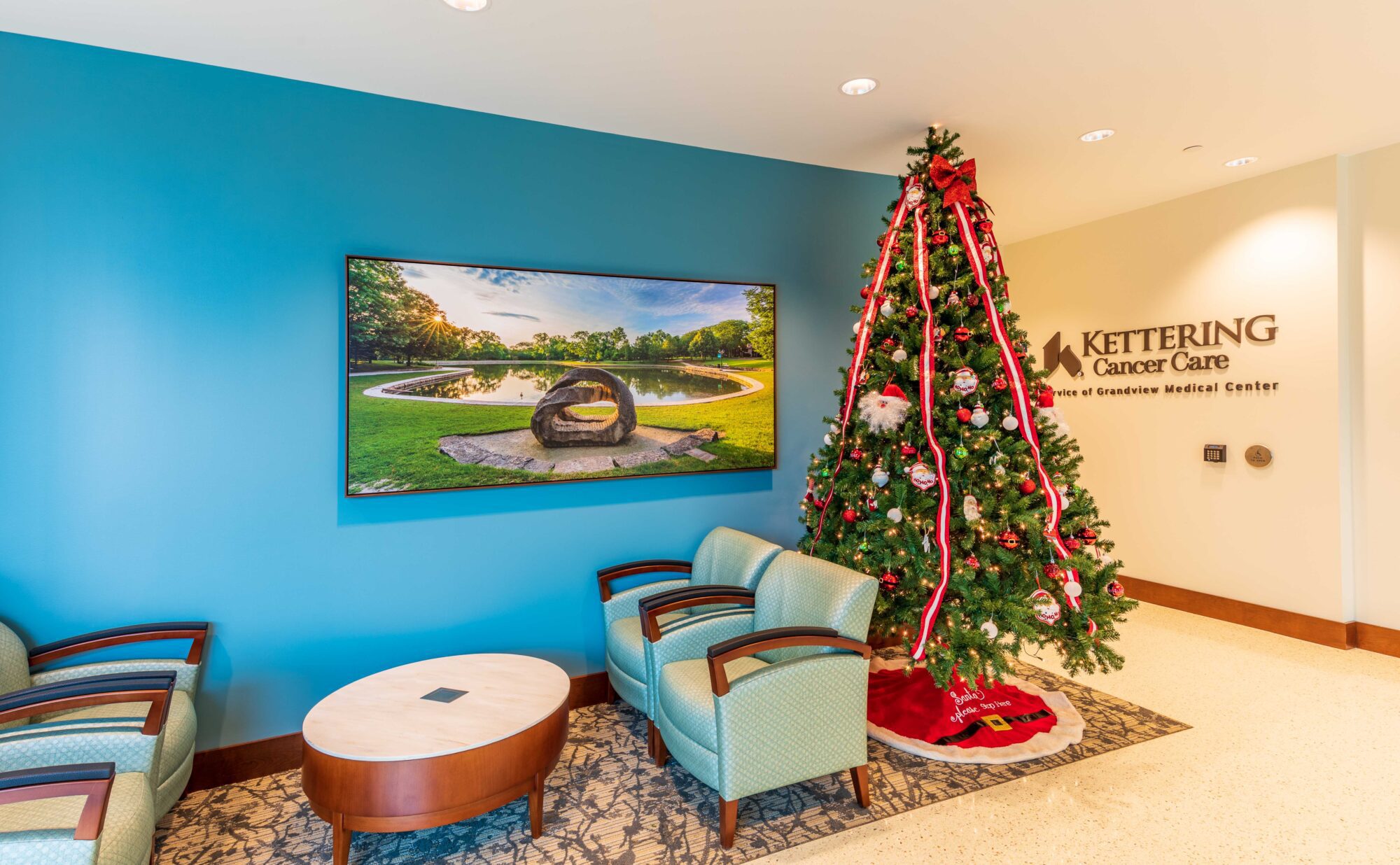
But the implications don’t stop at healthcare.
Once you begin to see it, you start to notice it everywhere… or more often, you notice where it’s missing.
Walk into many professional spaces—offices, waiting rooms, conference areas—and the artwork often feels like an afterthought. Pieces are chosen to match furniture or fill a wall rather than to shape an experience. Sometimes the result is neutral… sometimes it unintentionally introduces tension, distance, or ambiguity.
There’s an opportunity there.
The art on your walls is one of the first impressions people absorb when they enter your space. Long before a conversation begins, the environment is already speaking. It can either add to a sense of ease… or quietly work against it.
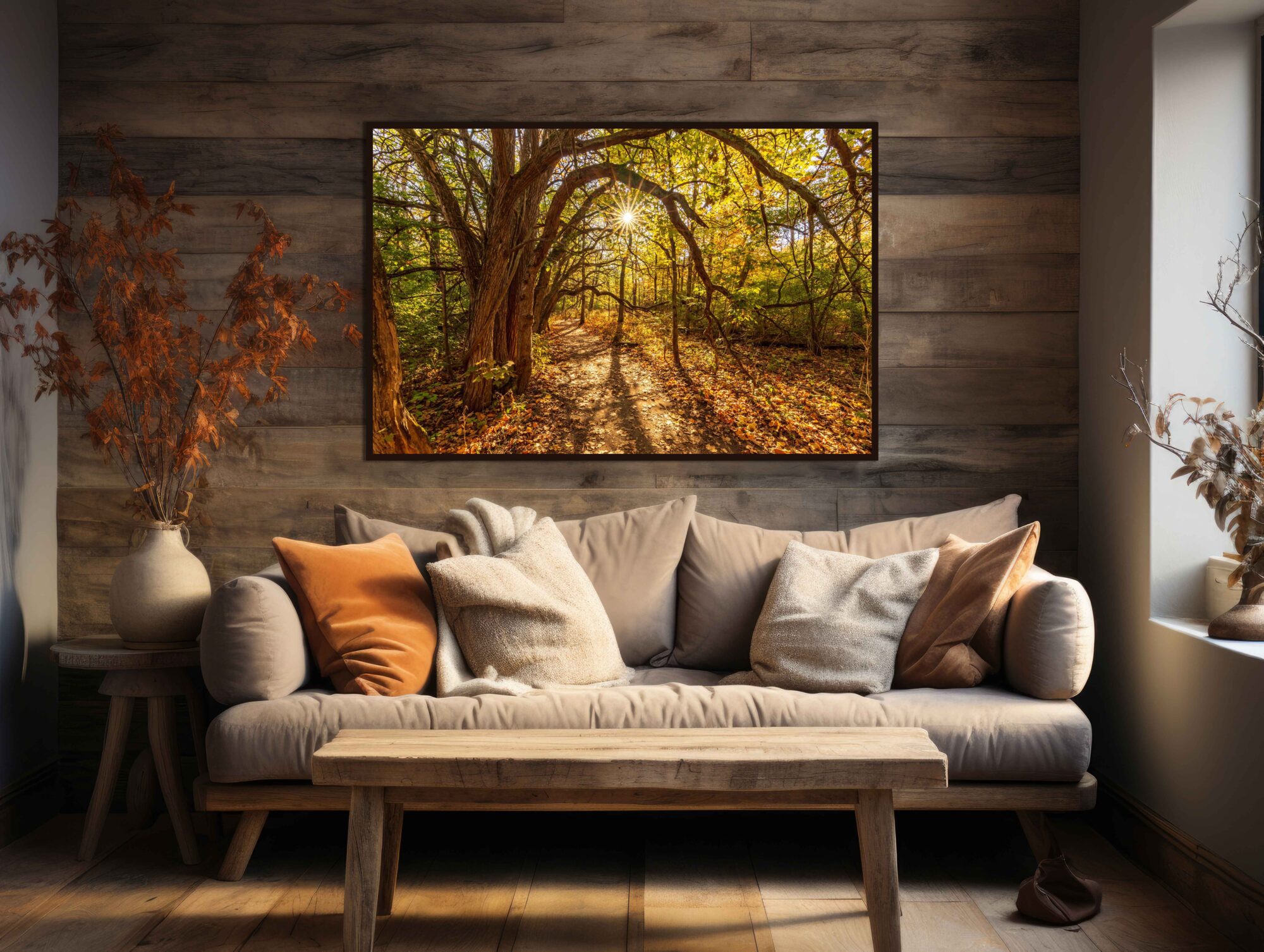
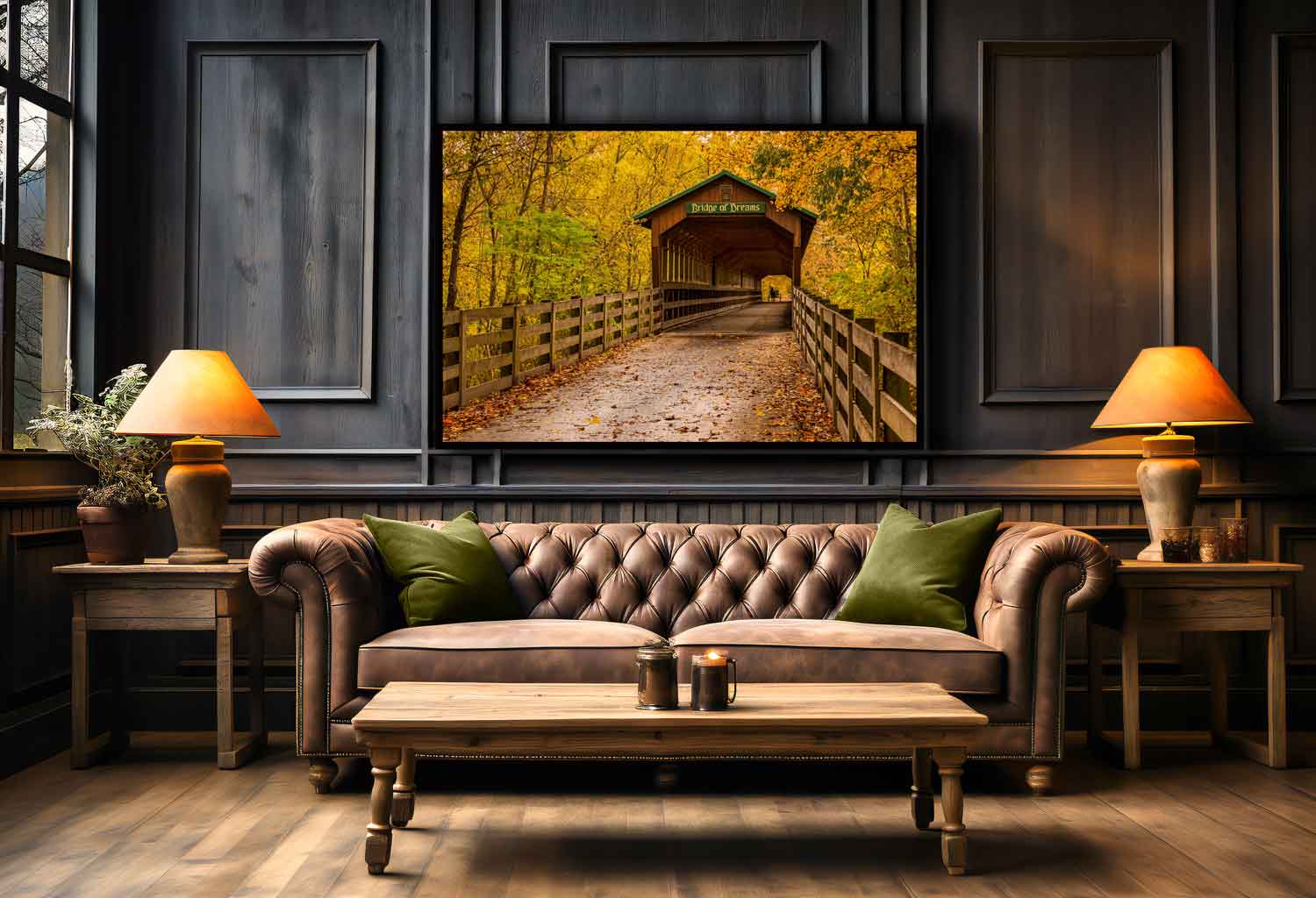
Nature photography offers something uniquely suited to these environments. It presents recognizable scenes, grounded in reality, with depth and clarity. A winding path, light breaking through trees, a familiar landmark… these aren’t just images. They give the mind somewhere to settle. They invite memory. They create a subtle sense of place and reassurance.
I see this play out regularly in the gallery.
Someone pauses in front of a print… recognizes a location… and almost immediately begins sharing a story. A hike they once took. A quiet morning. A place that meant something to them. The image becomes more than decoration… it becomes a connection.
That same dynamic carries into professional spaces.
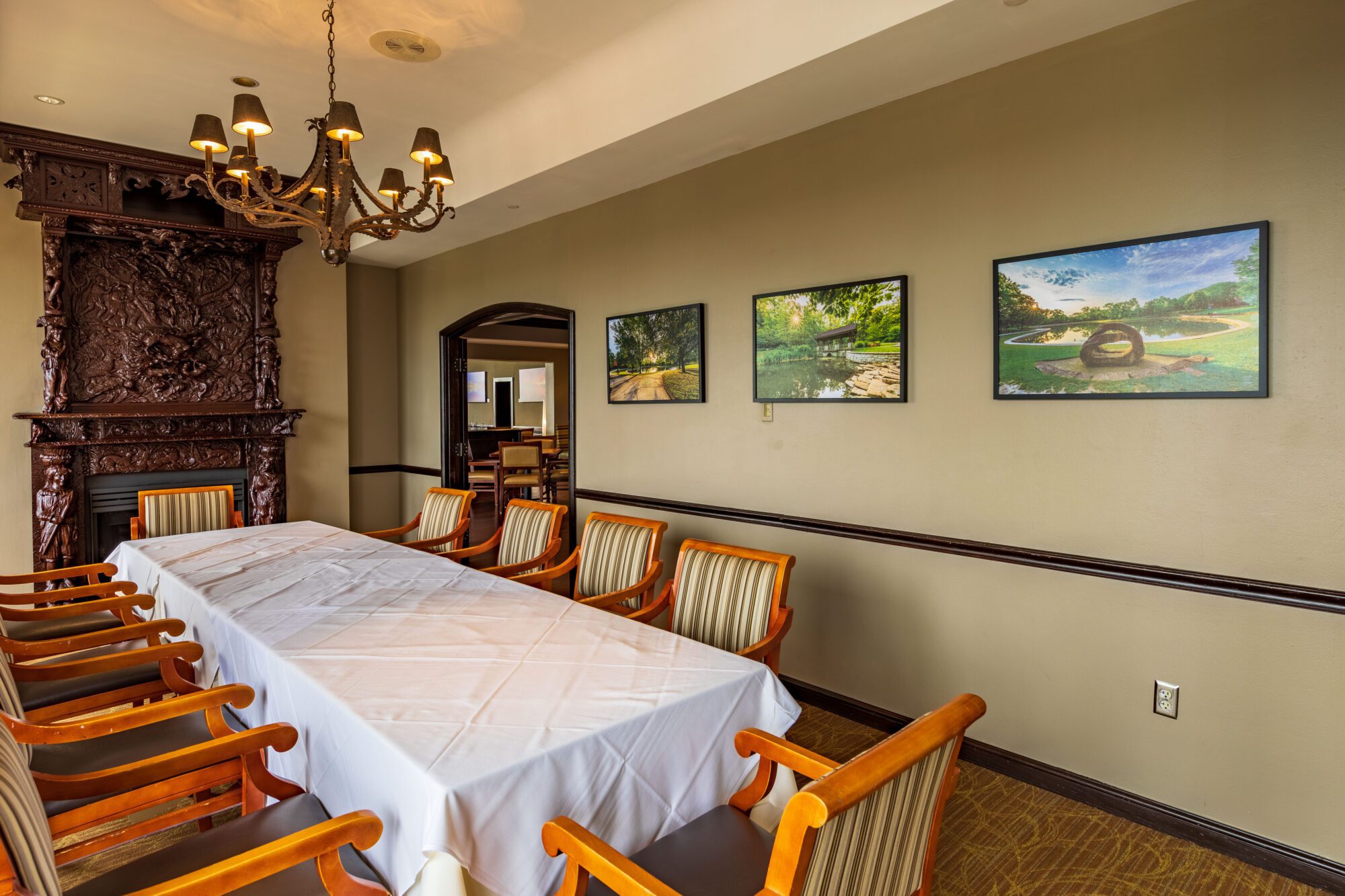
We recently worked with a Dayton-area company renovating a mid-century building. While updated lighting and layout improved functionality, they recognized something else… the nature of their work carried stress. They wanted their environment to help counterbalance that.

The room scene is under license to me while I retain the copyright of the original art print
They chose to incorporate calming nature photography throughout their space.
The result wasn’t dramatic in the loud sense… but it was meaningful. The atmosphere softened. Conversations felt more relaxed. The artwork became part of the environment rather than something sitting on the wall. The impact was strong enough that, as they expanded into additional areas, they returned to continue the installation.
That is the quiet power of intentional design.
Bringing It Back to Your Space
What began in hospitals as a way to support healing has revealed something broader… the environments we create influence how people feel, think, and interact. The artwork we choose is part of that equation.
It doesn’t need to be complicated.
It simply needs to be thoughtful.
If you’ve ever walked into a space and felt immediately at ease… there’s a reason for that. And if you’ve wondered how your own space might create that same feeling—for your clients, your team, or even yourself—I’d be glad to help you explore what that could look like.
Sometimes the right image does more than fill a wall… it quietly transforms the experience of the entire room.